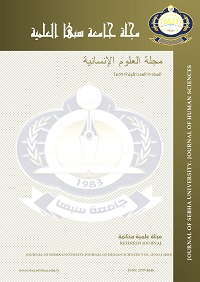
الأمن النفسي (مظاهره ومصادره ووسائله وأهميته للفرد والمجتمع)
DOI:
https://doi.org/10.51984/johs.v16i2.288Abstract
يعرف الأمن النفسي: بأنه حماية النفس ووقايتها مما يهددها من أخطار، وذلك من خلال السعي المستمر للمحافظة على الظروف التي تضمن إشباع الحاجات النفسية والغريزية بطرق يرضى عنها المجتمع؛ مع قدرة الفرد على عقد علاقات متزنة مع زملائه وأصدقائه وأقاربه.
فالأمن شعور أوجده الإنسان لحماية نفسه من المخاطر، وفقدانه يكون سببا لظهور كثير من الامراض والاضطرابات النفسية مثل: القلق والرهاب والعصاب القهري والاعتقاد بالخرافات وممارسة السحر والشعوذة، وإن لإشباع الحاجات دور مهم في توجيه نشاط الفرد وخفض توتراته وإلغاء صراعاته مع نفسه، كما أن للتغيرات الحضارية والاجتماعية أثرها على الأمن النفسي.
ويعد الأمن النفسي من الحاجات الهامة لبناء الشخصية؛ حيث إن جذوره تمتد إلى الطفولة وتستمر حتى الشيخوخة عبر المراحل العمرية المختلفة، فإذا تربى الفرد في جو آمن ودافئ مندو الطفولة فانه سينمو سويا ويصبح قادراً على تحقيق رغباته.
وتؤكد الاحداث عبر العصور أن الأمن هو مقياس تقدم الأمم والشعوب، وأن تقدم الحضارات وازدهارها كان في ظل الاستقرار، لذلك أصبح الامن النفسي مطلبا لكل المجتمعات، فالقلق والتوتر والخوف من المجهول والاضطرابات النفسية لها أكبر الأثر على مستقبل الأفراد والمجتمعات، لذلك على المجتمعات أن تهيئ الظروف المناسبة وتوفر البيئة التي تكفل لأبنائه بأن لا يهددوا في رزقهم أو مستقبلهم. وتضمن لهم الحياة المستقرة الكريمة.
Downloads
Downloads
Published
Issue
Section
License
Journal of Humanities Policy on Intellectual Property and Plagiarism
1. Commitment to Intellectual Property and Ethics
The Journal of Humanities (JOHS) is fully committed to respecting intellectual property rights and aims to protect the originality and authentic work of authors who submit their manuscripts for publication. The journal takes a firm stand against articles that contain any form of plagiarism and emphasizes the need for all researchers to adhere to the highest ethical standards in scientific research.
2. Anti-Plagiarism Policy
The journal considers plagiarism a serious violation of academic ethics. Therefore, authors must ensure that their work is original and not plagiarized, and that any use of external sources is properly cited and documented according to correct academic standards.
-
Actions Taken: In the event that any plagiarism or academic theft is discovered in a submitted article, the editorial board will contact the author to request a formal explanation within a maximum period of two weeks from the date of notification.
-
Investigation and Decision: After receiving the explanation, the article will be referred to the journal's specialized committees, which will investigate the matter and take the necessary measures, which may include the permanent rejection of the article and the imposition of disciplinary actions.
3. Publication License and Author Rights
The journal adopts the Creative Commons license type Attribution-NonCommercial-NoDerivs 4.0 International (CC BY-NC-ND 4.0), which allows for the following:
-
Attribution: Users are entitled to cite the content published in the journal and use it in their work, provided that the original source and author are clearly credited.
-
Non-Commercial: The published content may not be used for any commercial purpose.
-
NoDerivs: It is not permitted to make any modifications, distortions, or to build derivative works from the published content.
Under this license, authors are required to complete an exclusive license agreement for the journal. Authors retain the rights to their research data and may reuse and share their work for scientific purposes with proper citation.