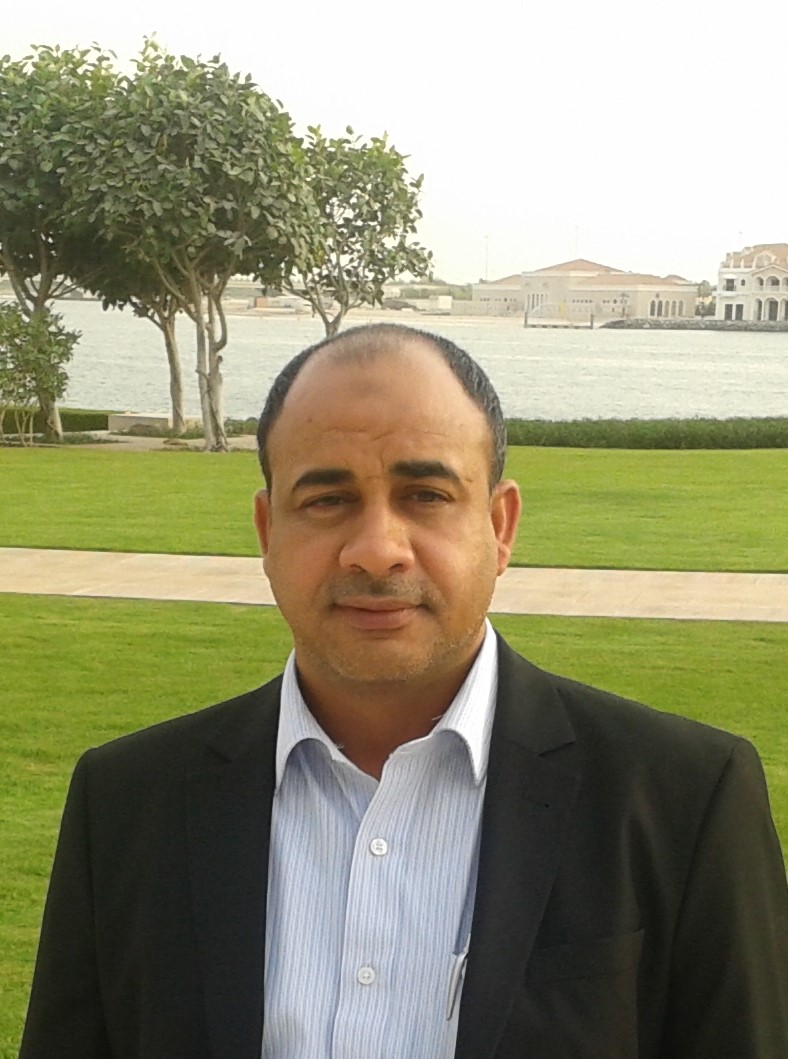
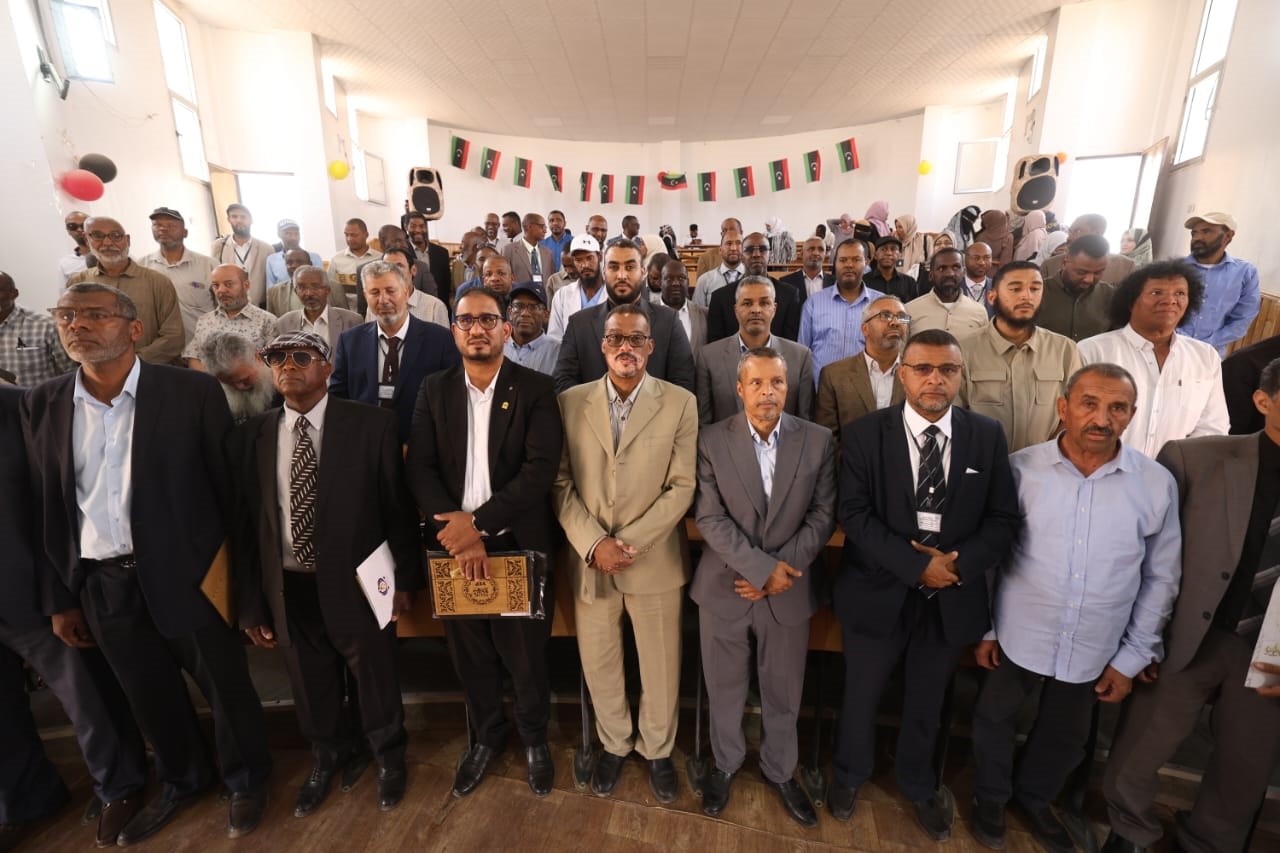
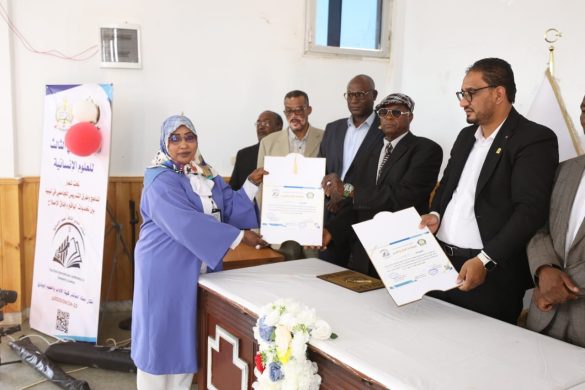
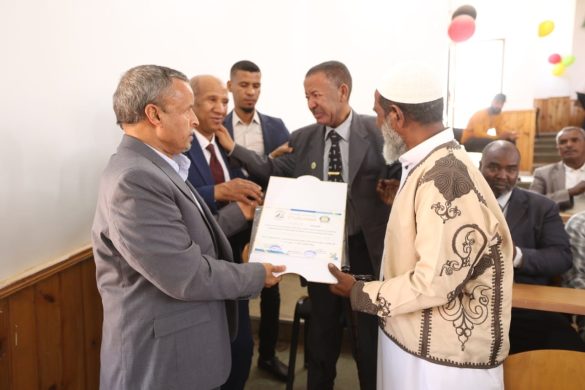
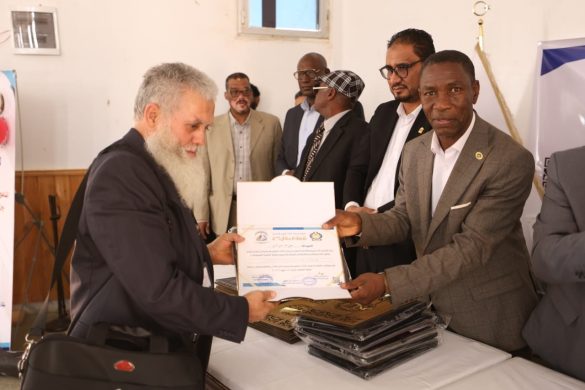
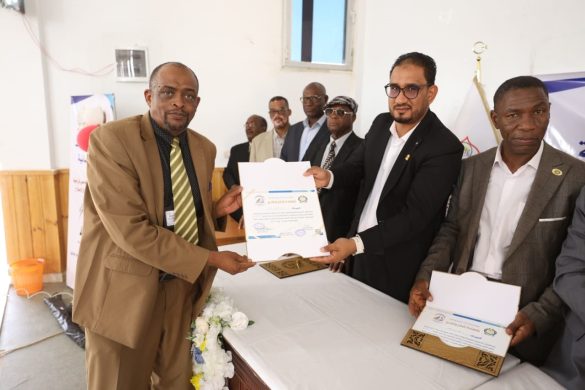
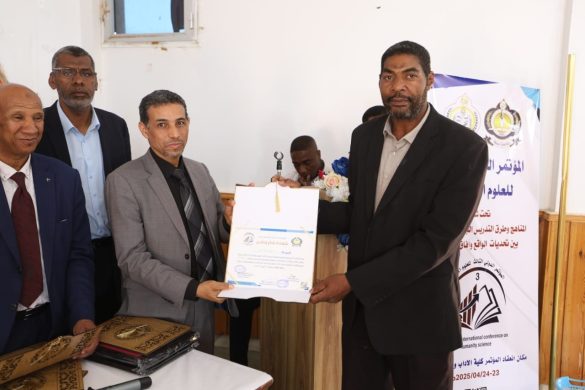
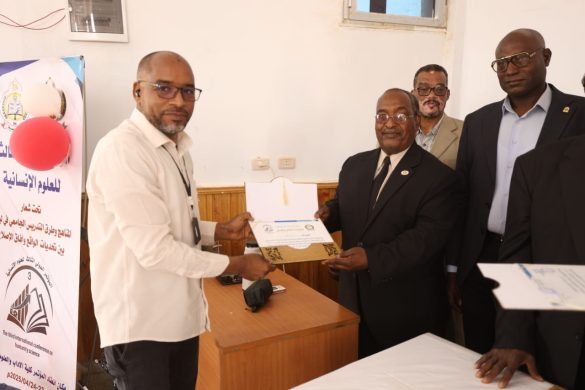
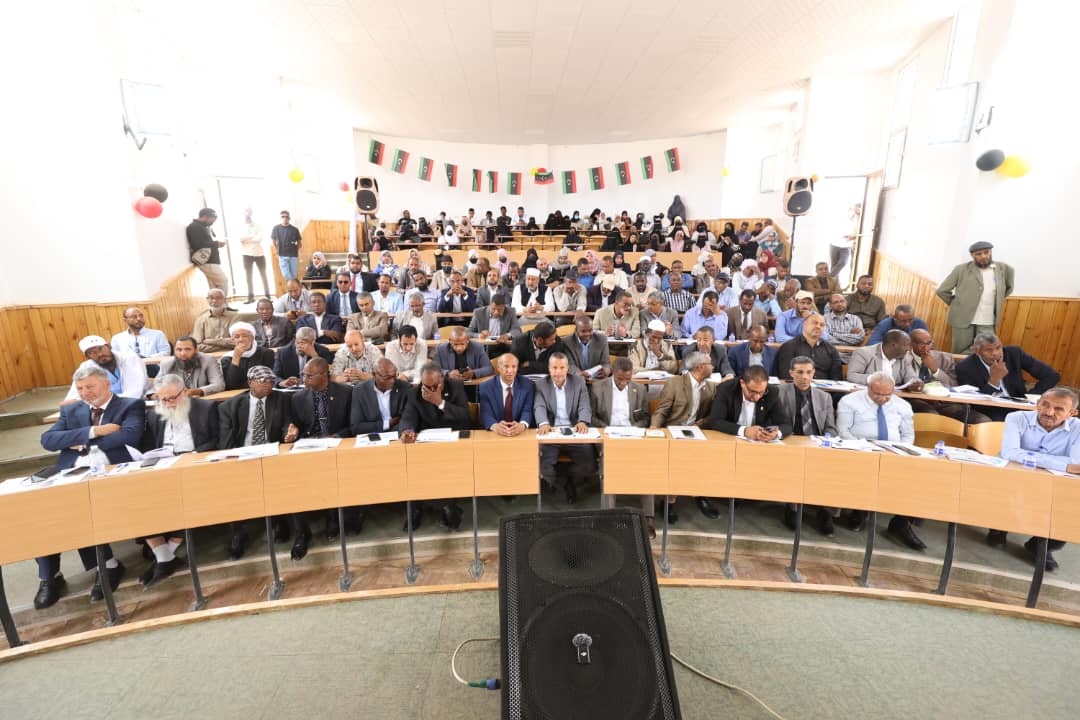
Conference Image

The Fourth International Conference on the Humanities

Humans and Society in the Age of Digitalization

Date
July 1, 2026
Venue
Faculty of Arts - University of Sebha
Participants
Researchers and Academics
Discover More

About the Conference and Vision

About the Conference

The Fourth International Conference on the Humanities is an academic platform that brings together university faculty members, researchers, and stakeholders interested in higher education. It aims to exchange expertise and knowledge and to discuss best practices and effective approaches in the processes of teaching and learning within higher education institutions.

This will enable conference participants to discuss and share their ideas and research on modern and best practices for enhancing the educational process in higher education institutions.

We are extremely excited to host this distinguished academic conference, which will provide a platform for meaningful communication and rich exchange among academics, researchers, and practitioners in the field of higher education.

Conference Vision

"
A leading academic platform through which the humanities redefine their role in guiding and shaping the pathways of digital transformation.
"

Conference Objectives

01

Shaping Social Awareness

Evaluating the role of digitalization in shaping social awareness.

02

Analyzing Social Impact

Analyzing the effect of digitalization on humans and society from the perspective of the humanities.

03

Education and the Labor Market

Exploring the role of digital transformation and educational outcomes in the humanities and their impact on the labor market.

04

Ethics and Laws

Highlighting the ethical and legal issues associated with digital transformation.

05

Balanced Model

Developing a digitalization model for the humanities that balances the demands of progress with the preservation of cultural privacy.

06

Practical Applications

Opening new horizons through applied experiences in employing digitalization within the humanities.

Microsoft CMT

This conference uses the Microsoft CMT system to manage and review research papers. Microsoft has provided this service free of charge, covering all expenses, including the costs of Azure cloud services, as well as software development and support.

Conference Themes

01

Philosophy, Humanity, and Society

1
Sociological issues in the era of digital transformation
2
Digital professional practice in social work
3
The future of philosophy in the age of artificial intelligence
4
Philosophy of thought and digital education
5
Digital transformation in educational institutions
6
Teaching methods and standards for quality digital education
7
Digitalization and mental health
8
Psychological services and digitalization
02

Law and Sharia

1
Digital transformation in public law: governance, rights, and e-administration
2
Private law in the digital environment: civil and commercial electronic transactions
3
Digital justice in criminal law: criminal policy, cybercrimes, and criminal responsibility
4
Islamic Sharia in the age of digital transformation: objectives of Sharia, legal regulations, and jurisprudential interpretation
5
International law in the era of digitalization: sovereignty, cybersecurity, and data protection
03

Culture, Communication, and Digital Media

1
Digital culture and content creation
2
Risks and opportunities in new media
3
Digital discourse and shaping public opinion
4
Social media and the reshaping of human relationships
5
Digital media between truth and misinformation
04

History and Human Heritage

1
Digital transformation and changes in historical research methodology
2
Artificial intelligence and historical databases
3
Using digital maps (GIS) and quantitative research in historical studies
4
Digital media: teaching history and improving instructional methods
5
Digital archiving, collective memory, and national identity
05

Linguistics, Literature, and Translation

Digital Technologies in Language and Literature
1
Natural language processing and computational linguistics
2
Theories of discourse analysis and digital communication
3
Digital literature and reception issues
4
Language teaching and learning in digital environments
5
Machine translation and emerging digital terminology
6
Arab projects for language computing (sharing experiences and discussing challenges)
06

Islamic Studies

(Quran, Hadith, Fiqh and its Principles, Creed and Dawah)
1
The mutual impact of digital technologies on humans and society from the perspective of Islamic studies
2
Opportunities and challenges facing Islamic studies in the era of digital transformation
3
Guidelines for employing artificial intelligence in Islamic studies
4
Methods for authenticating digital Islamic heritage and rules for electronic publishing
07

Geography and Digital Environment

1
Digital technologies in managing natural resources and monitoring environmental and climate changes
2
Environmental modeling and predicting risks and natural disasters using AI
3
Digital geography and analyzing population and urban patterns
4
Geographic analysis of services, infrastructure, and city planning within sustainable development frameworks
5
Prospects for applying digitalization in geographical sciences: practical experiences connecting humans with the environment
08

Archaeology and Tourism

Digital Technologies in Archaeology and Tourism
1
Development of digital archaeology using modern surveying and documentation techniques
2
Using GIS, remote sensing, and laser scanning in archaeological excavation
3
Digital technologies for improving the accuracy of archaeological data
4
Employing artificial intelligence in classifying and dating archaeological finds
5
Digital archiving and contributing to the reinterpretation of archaeological narratives
6
Digital heritage and supporting tourism: preserving cultural identity and enhancing the local economy

All the following conditions must be met together for approval of participation

1

Commitment to Conference Themes

The research must fall within the announced conference themes and address a topic closely related to the conference objectives and scientific interests.

2

Originality of Research

The submitted paper must be original and must not have been presented at any previous scientific conference or published in any local or international journal.

3

Language of the Research

Arabic is the official language of the conference. Other languages may be used according to the research requirements, provided that a summary is available in both Arabic and English.

4

Academic Integrity and Methodology

Research papers must adhere to academic integrity and follow scientific research methodology, including proper referencing and citation.

5

Writing Standards and Guidelines

The writing standards follow those of the University of Sebha Journal for the Humanities in terms of format, content, references, and language accuracy.

6

Important Information

All research papers are subject to scientific peer review by specialized reviewers. Authors will be notified of the review results according to the scheduled deadlines.

Conference Deadlines

Phase 1

Submission

Start of submissions January 18, 2026
Beginning of receipt January 20, 2026
End of submissions April 30, 2026
Phase 2

Review Responses

Final date for review responses May 30, 2026
Acceptance notifications June 15, 2026
Main Event

Conference

Conference start July 1, 2026
Venue Faculty of Arts - University of Sebha

Conference Committees

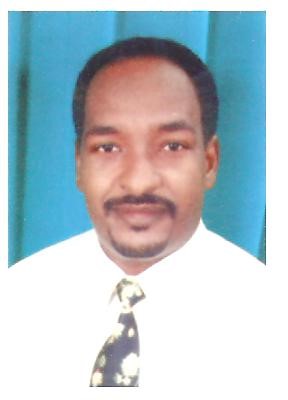
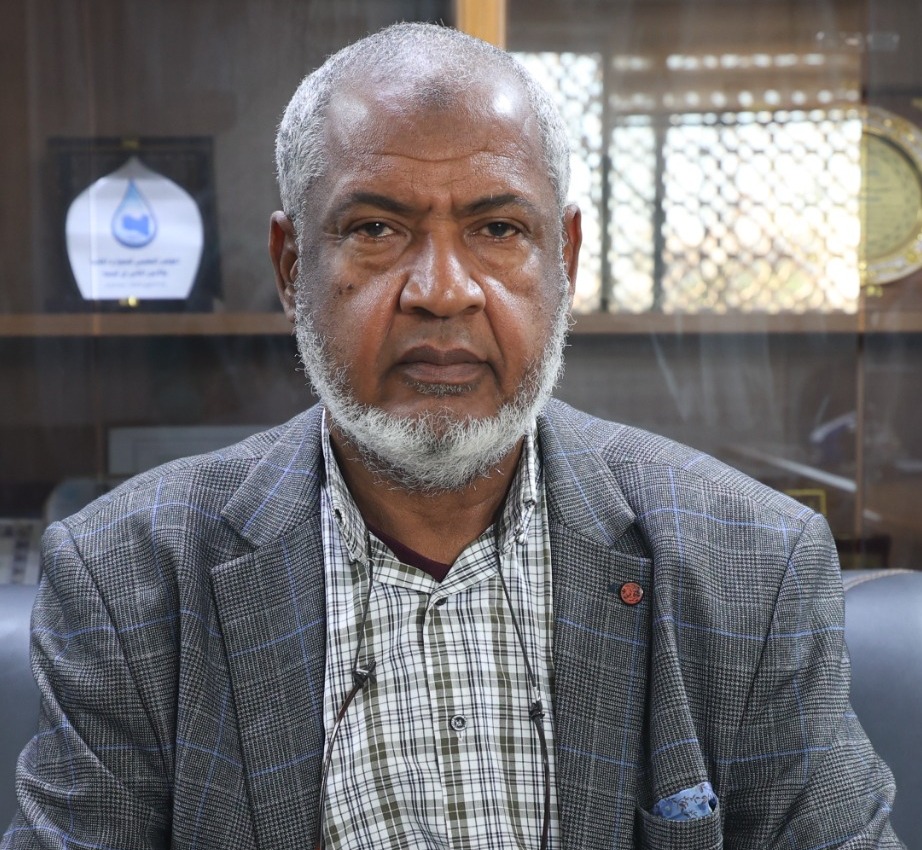
Conference Chair

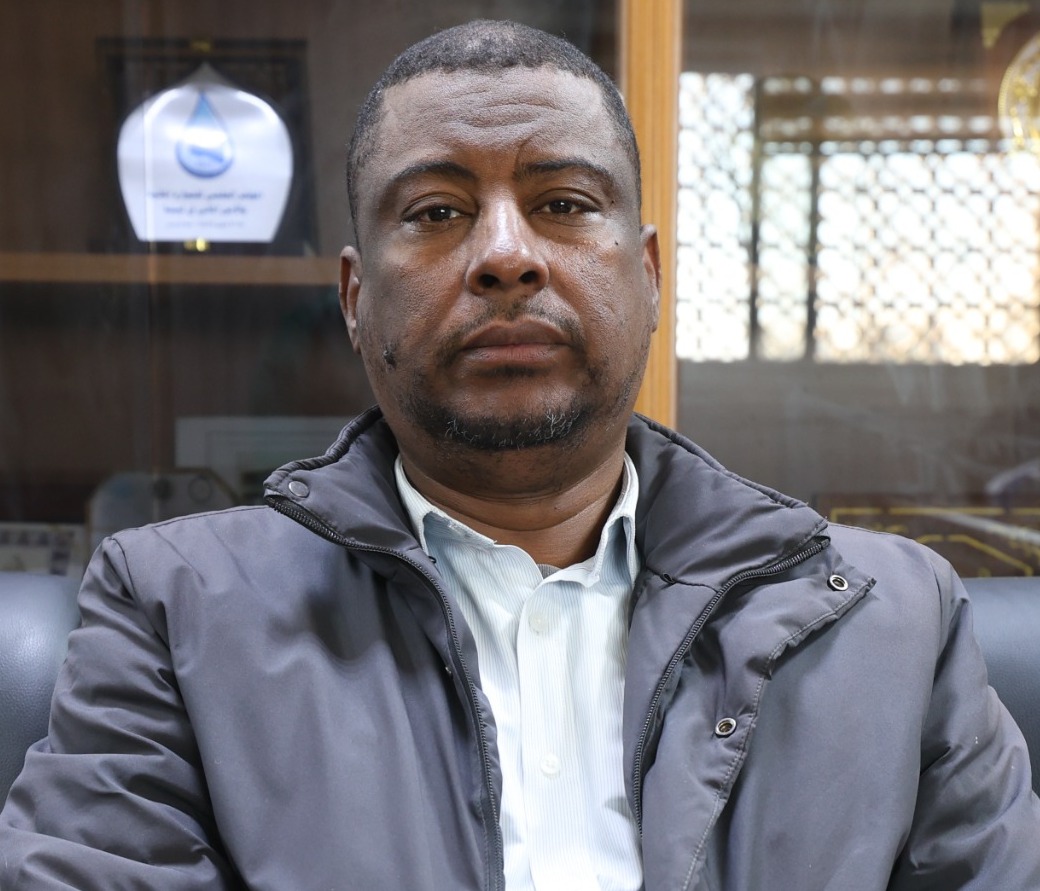
Dr. Masoud Al-Raqeeq
Conference Chair
Dr. Masoud Al-Raqeeq
Biography

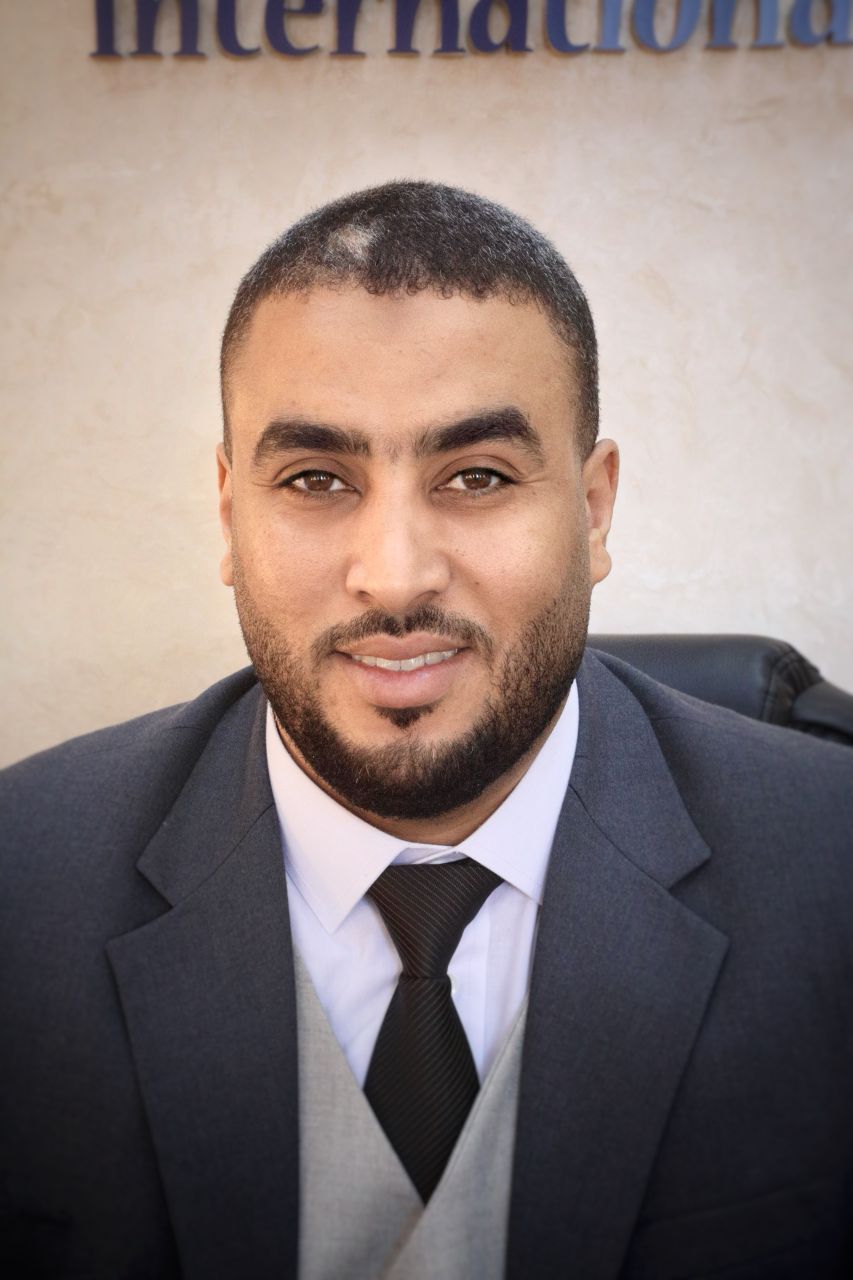
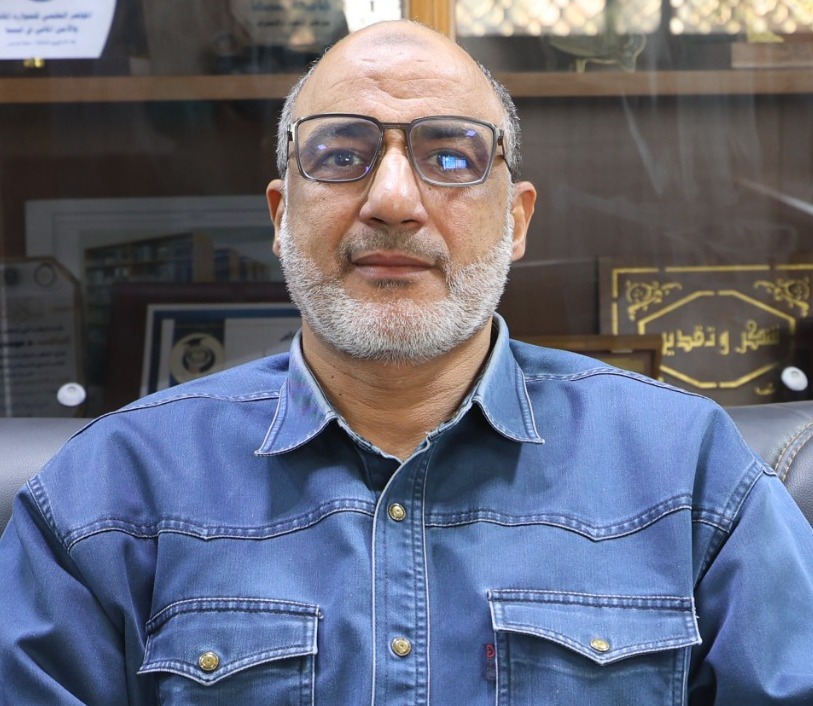
Scientific Committee

Dr. Hassan Mohamed Khbeiri
Committee Chair
Dr. Hassan Mohamed Khbeiri
Biography

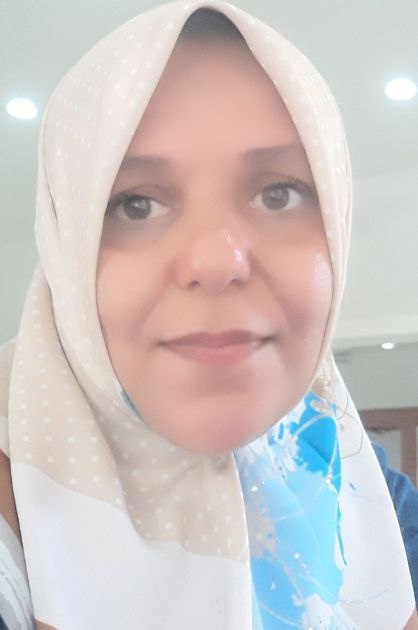
Preparatory Committee

Mohamed Ahmed Mohrez
Committee Chair
Mohamed Ahmed Mohrez
Biography

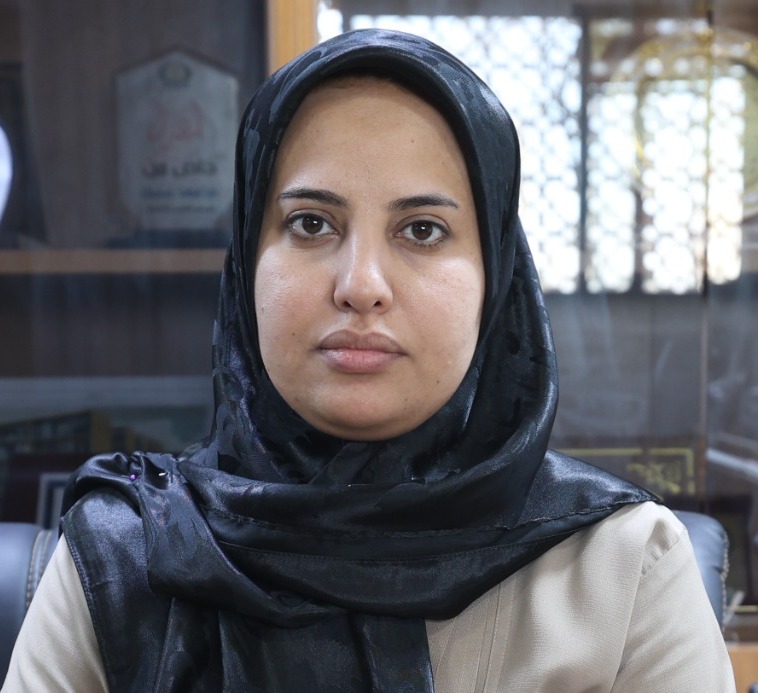
Technical Committee

Dr. Hassan Saleh Al-Qaddafi
Committee Chair
Dr. Hassan Saleh Al-Qaddafi
Biography

Scientific Committee - Member Details

No. Name Role
1 Dr. Hassan Mohamed Khbeiri Committee Chair
2 Prof. Abdelhadi Ibrahim Al-Basir Member
3 Dr. Nasser Ibrahim Mohamed Member
4 Dr. Mabrouka Abdel Salam Ghaith Member
5 Dr. Youzar Abdel Salam Abu Seif Member
6 Dr. Zeinab Abdullah Salem Lallouh Member
7 Dr. Ibrahim Al-Hadi Al-Humaidi Member
8 Dr. Nawara Mohamed Aqeela Member
9 Dr. Mohamed Jama'a Mohamed Al-Quwaidi Member
10 Dr. Mabrouka Mohamed Dau Mohamed Member
11 Dr. Adel Mohamed Al-Najmi Member
12 Dr. Fat'ha Saud Omar Khalid Member

Preparatory Committee - Member Details

Role Name
Committee Chair Mohamed Ahmed Mohrez
Member Saif Al-Islam Ahmed Abdelhadi
Member Fatima Abdelhadi Khalil
Member Abdelhamid Abdel Fattah Musa
Member Khulud Ali Milad
Member Saleh Misbah Hassan
Member Sa'ada Masoud Akhtrar
Member Dr. Abdelqader Abubakar Boghara

Technical Committee - Member Details

Role Name
Committee Chair Dr. Hassan Saleh Al-Qaddafi
Member Zahiya Shehat Ja'rani Khalifa
Member Mohamed Amr Mohamed
Member Mohamed Farah Musa
Member Mustafa Omar Ahmed

Keynote Speakers

To be announced

Contact Us

Phone

+218 92 548 894

WhatsApp

+218 91 629 5464

Email

icctm@sebhau.edu.ly

Conference Venue

Faculty of Arts - University of Sebha

العربية