#image_title
Sebha,26 April 2026
The Scientific Committee of the Ninth International Conference on Science and Technology at Sabha University convenes its third meeting and initiates the evaluation phase
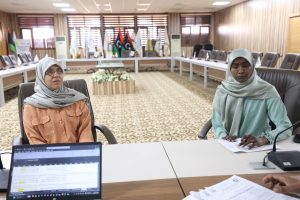
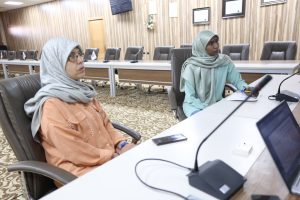
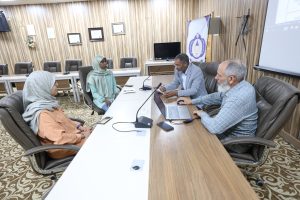
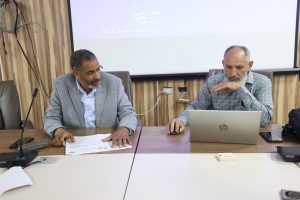
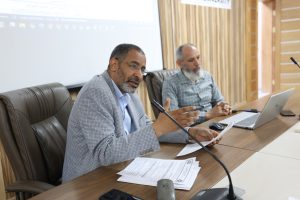
As part of the ongoing preparations for the Ninth International Conference on Science and Technology, the Scientific Committee of the Conference held its third meeting this morning, Sunday,26 April 2026, at the University headquarters, in the presence of the committee members, to announce the start of the actual phase of evaluating the research papers and scientific contributions submitted. During the meeting, the committee reviewed the current status of contributions, noting that the total number of scientific papers received had reached 70 papers. Reports indicated that the largest proportion of these participations was focused on the “Computer Science and Information Technology” theme, reflecting the growing interest in digital transformation and modern technologies in the current edition of the conference. The attendees also discussed the evaluation mechanisms adopted to ensure the quality of scientific content, and agreed to activate the following procedures:
Initial examination: All papers undergo an initial review to ensure they comply with the formal and technical requirements.
Scientific integrity examination: Using advanced tools to examine citations and ensure the extent to which artificial intelligence techniques are used in writing papers, to ensure scientific authenticity.
Dual Evaluation (Double-Blind Review): Referring papers that meet the requirements to two competent reviewers, based on precise criteria for selecting arbitrators. The meeting concluded with an agreement to refer all received contributions to reviewers within a time limit not exceeding two weeks from submission date, to speed up the pace of work and ensure that researchers are responded to on the pre-determined dates. The Scientific Committee confirms that these measures aim to enhance the conference’s position as a leading platform for innovative scientific research.