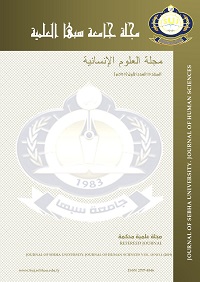
Malezi Ya Watoto Enzi Za Wazanzibari Wa Kale
DOI:
https://doi.org/10.51984/johs.v20i2.1768Keywords:
Watoto, Mama, Chakula, Zanzibar, sikuAbstract
Maandalizi ya malezi ya watoto enzi za wazanzibar wa kale yalianza mapema mara mwanamke anapochukuwa uja uzito. Mjamzito aliandaliwa mambo maalumu kama chakula chake , nguo , sehemu maalumu ya kukaa ili ajifungue salama na kuanza kumlea mwana. Naye mwana aliyezaliwa alikuta ameshaandaliwa mambo yanayomhusu na hupokelewa kwa dua na shangwe toka kwa wanafamilia na wengine. Alipelekwa madrasa kujifunza kusoma kurani tukufu na elimu nyingine za maadili ya kiislamu ambazo ndizo zilizokuwa msingi mkuu wa kurekebisha maadili yake. Pamoja na haya alifundishwa kivitendo kuheshimu wengine katika jamii kwa kadri ya hadhi zao . Alipelekwa shule kujifunza elimu za mazingira na sayansi mbali mbali pamoja na lugha za kigeni na sanaa mchanganyiko ili kumjenga kimaarifa na kumwandaa kuitumikia jamii. Watoto walipobaleghe walipelekwa jandoni, kwa watoto wa kiume, na unyagoni kwa watoto wa kike. Huko walifunzwa namna ya kukabiliana na mabadiliko yaliyojitokeza katika miili yao na namna ya kuishi katika jamii wakiwa watu wazima tayari kuanzisha familia pindi muda utakapowadia. Malengo makuu ya malezi haya yalikuwa kumtayarisha mtoto kuishi maisha ya maadili mema katika jamii na kutoa mchango wake kwa kadiri ya nafasi yake katika jamii husika.
Downloads
Downloads
Published
Issue
Section
License
Journal of Humanities Policy on Intellectual Property and Plagiarism
1. Commitment to Intellectual Property and Ethics
The Journal of Humanities (JOHS) is fully committed to respecting intellectual property rights and aims to protect the originality and authentic work of authors who submit their manuscripts for publication. The journal takes a firm stand against articles that contain any form of plagiarism and emphasizes the need for all researchers to adhere to the highest ethical standards in scientific research.
2. Anti-Plagiarism Policy
The journal considers plagiarism a serious violation of academic ethics. Therefore, authors must ensure that their work is original and not plagiarized, and that any use of external sources is properly cited and documented according to correct academic standards.
-
Actions Taken: In the event that any plagiarism or academic theft is discovered in a submitted article, the editorial board will contact the author to request a formal explanation within a maximum period of two weeks from the date of notification.
-
Investigation and Decision: After receiving the explanation, the article will be referred to the journal's specialized committees, which will investigate the matter and take the necessary measures, which may include the permanent rejection of the article and the imposition of disciplinary actions.
3. Publication License and Author Rights
The journal adopts the Creative Commons license type Attribution-NonCommercial-NoDerivs 4.0 International (CC BY-NC-ND 4.0), which allows for the following:
-
Attribution: Users are entitled to cite the content published in the journal and use it in their work, provided that the original source and author are clearly credited.
-
Non-Commercial: The published content may not be used for any commercial purpose.
-
NoDerivs: It is not permitted to make any modifications, distortions, or to build derivative works from the published content.
Under this license, authors are required to complete an exclusive license agreement for the journal. Authors retain the rights to their research data and may reuse and share their work for scientific purposes with proper citation.