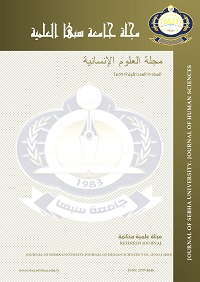
التكنولوجيا والهوية مقاربة مرجعية
DOI:
https://doi.org/10.51984/johs.v16i2.287Abstract
يتناول البحث التأصيل النظري لمفهوم الهوية الوطنية ومكوناته القيمية، وضبط حدوده وتوضيح أهميته ووظيفته الاجتماعية والسياسية، ودور العامل التكنولوجي في إحداث التغييرات والتحولات من خلال دراسة مظاهر تأثير وسائل تكنولوجيا الاتصال الحديثة على مكونات الهوية، الاجتماعية والنفسية والفكرية والثقافية، مع تحديد أهم المتغيرات التي تؤثر في عملية صقل مفهوم الهوية وعلاقته بالمواطنة، وفق نظرة استشرافية لواقع القرن 21، وفي ظل الواقع الفعلي لتفاعل المجتمع مع أدوات وتقنيات الاتصال والتواصل الاجتماعي الحديثة في المجالات المختلفة للحياة الاجتماعية، في الوقت الذي يخوض فيه المجتمع العربي وإنسانه أزمة هوية وتحولات جذرية في كافة مظاهر حياته، لتعزيز أسباب وسبل حضوره معترك صراع الحياة الذي يعيشه العالم، الذي يتحول باضطراد إلى صراع بين الهويات والثقافات، حيث أصبحت فيه الهوية أحد العوامل المهمة في تحديد صداقات الدول وعداواتها، وذلك بفعل التحولات المجتمعية وعوامل وأساليب العولمة الثقافية والمعرفية والإعلامية، ومن ثم بات وجودنا مجتمعات عربية في التاريخ والجغرافيا، مرهوناً بوجودها الثقافي، في الوقت الذي تروج فيه المجتمعات الغربية لثقافتها وقيمها وأنماطها السلوكية المتناقضة مع ثقافتنا المحلية، عبر وسائل متعددة، يهمنا منها تكنولوجيا وسائل التواصل والاتصال الحديثة ودورها في تشكيل الهوية المعاصرة.
Downloads
Downloads
Published
Issue
Section
License
Journal of Humanities Policy on Intellectual Property and Plagiarism
1. Commitment to Intellectual Property and Ethics
The Journal of Humanities (JOHS) is fully committed to respecting intellectual property rights and aims to protect the originality and authentic work of authors who submit their manuscripts for publication. The journal takes a firm stand against articles that contain any form of plagiarism and emphasizes the need for all researchers to adhere to the highest ethical standards in scientific research.
2. Anti-Plagiarism Policy
The journal considers plagiarism a serious violation of academic ethics. Therefore, authors must ensure that their work is original and not plagiarized, and that any use of external sources is properly cited and documented according to correct academic standards.
-
Actions Taken: In the event that any plagiarism or academic theft is discovered in a submitted article, the editorial board will contact the author to request a formal explanation within a maximum period of two weeks from the date of notification.
-
Investigation and Decision: After receiving the explanation, the article will be referred to the journal's specialized committees, which will investigate the matter and take the necessary measures, which may include the permanent rejection of the article and the imposition of disciplinary actions.
3. Publication License and Author Rights
The journal adopts the Creative Commons license type Attribution-NonCommercial-NoDerivs 4.0 International (CC BY-NC-ND 4.0), which allows for the following:
-
Attribution: Users are entitled to cite the content published in the journal and use it in their work, provided that the original source and author are clearly credited.
-
Non-Commercial: The published content may not be used for any commercial purpose.
-
NoDerivs: It is not permitted to make any modifications, distortions, or to build derivative works from the published content.
Under this license, authors are required to complete an exclusive license agreement for the journal. Authors retain the rights to their research data and may reuse and share their work for scientific purposes with proper citation.